
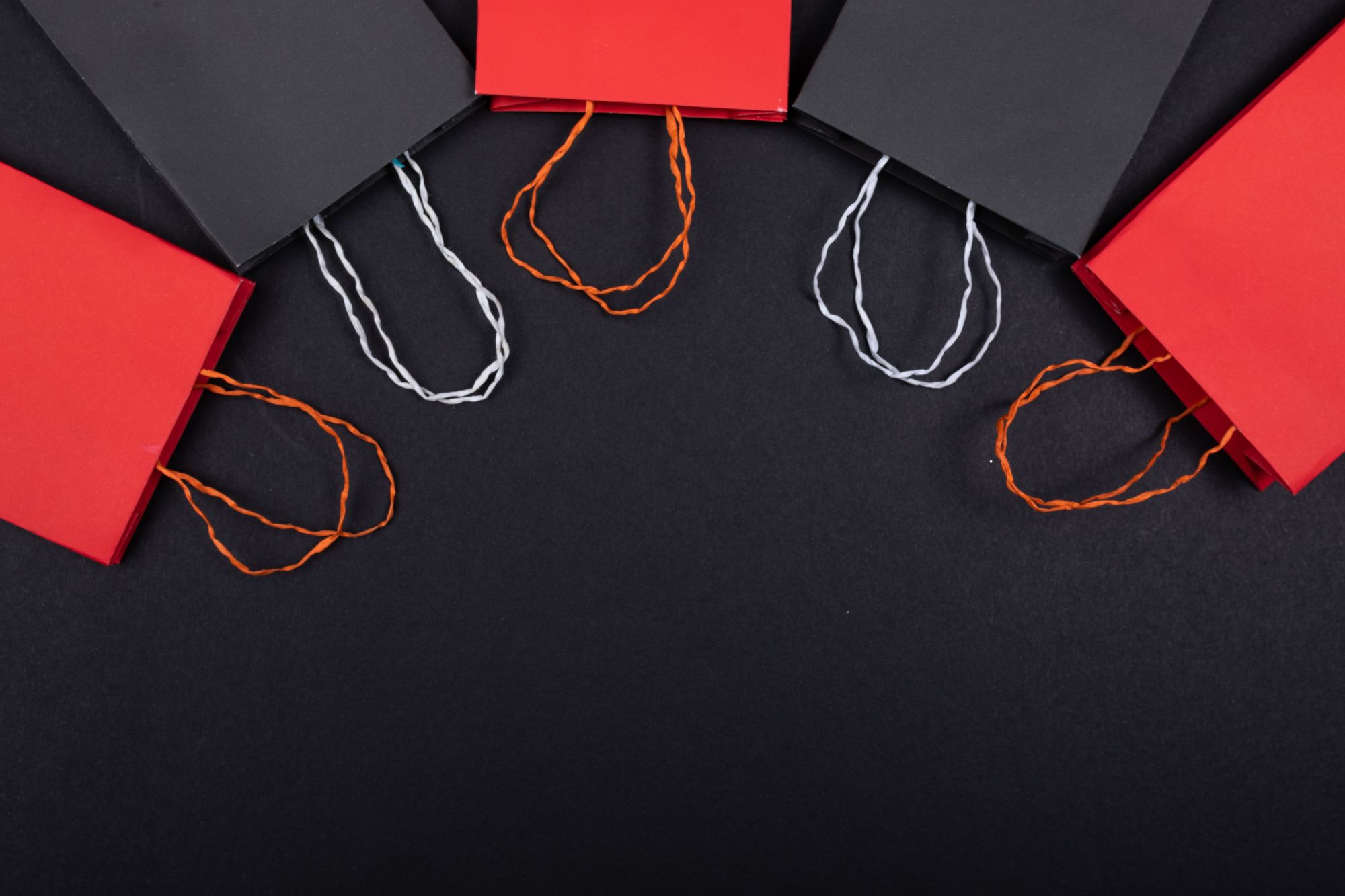
A handsome paper bag whose handle snaps halfway home is a worse experience than a plain bag that holds. Choose the handle for the real weight first, then for looks.
Four common handle types
- Twisted paper: cheap, same material as the bag so it recycles easily, fine for light goods. Loses its strength when wet.
- Braided or woven cotton: soft in the hand, reads as premium, carries weight well. Costs more and shows dirt in pale shades.
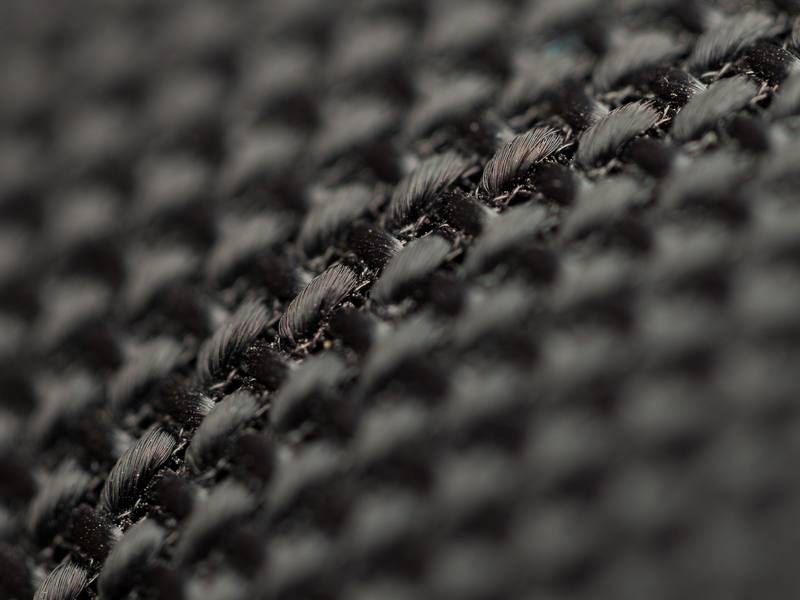
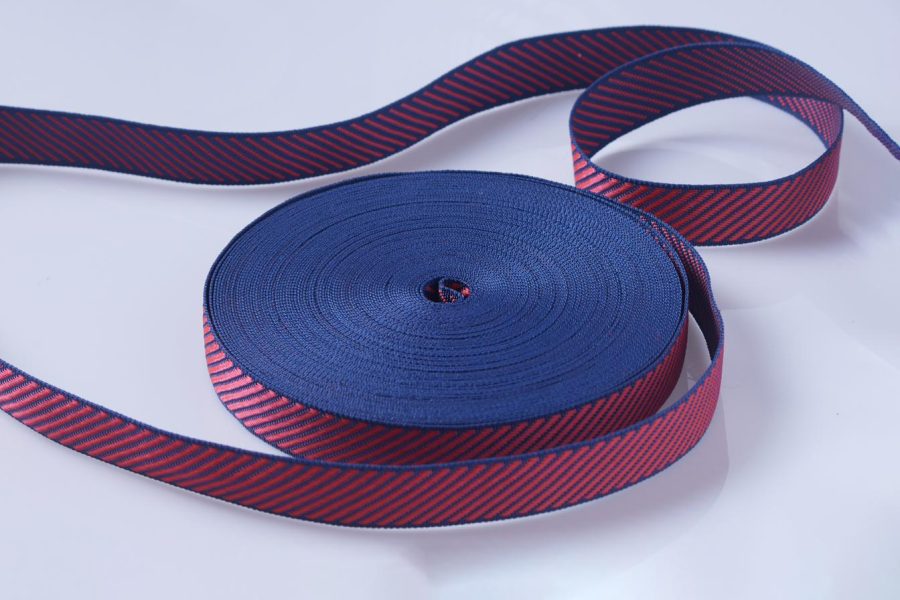
- Woven PP or polyester: the strongest of the group, unaffected by damp, dyes to a brand colour accurately.
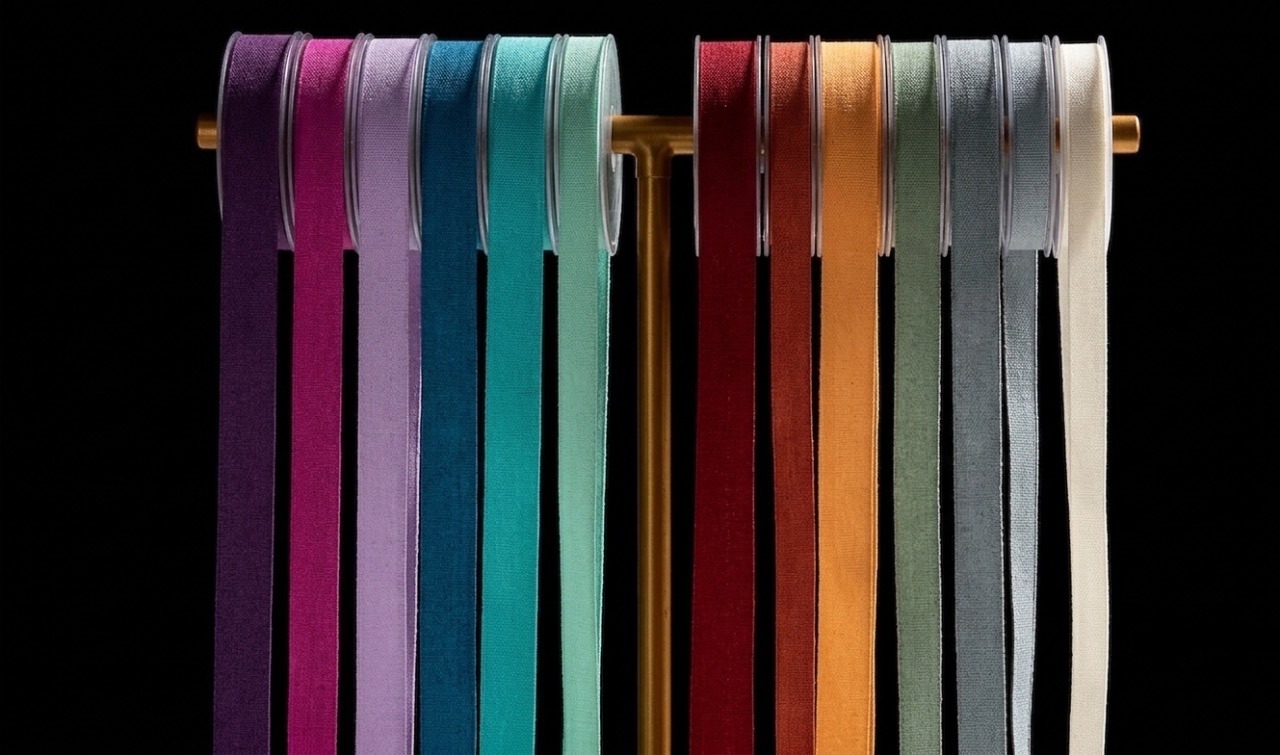
- Satin ribbon: the prettiest option for gift bags, but a decorative choice rather than a load-bearing one.
The load sits in the fixing, not in the cord
This is the part most often missed. Handles almost never break in the middle; what fails is the punched hole tearing through the paper, or the knot pulling free. Going up a size in cord without reinforcing the hole solves nothing.
Three common fixings, in increasing order of strength: punched hole with a knot; punched hole with an eyelet or reinforcing patch; the handle glued to the inside face of the bag over a broad area. Bags for heavy goods want the third.
Weigh the heaviest item that will go in the bag, then specify for that plus a margin. Do not specify for the average.
Width and length
A wider handle spreads the load across the hand and digs in less. On bags for heavy goods, width reads as sturdiness even when the actual load rating has not changed.
Length decides whether the bag is carried in the hand or over the shoulder. Short handles keep the bag close and tidy inside a shop; long handles are easier to carry but let the bag swing into things. Choose for the situation the customer will be in.
Colour and identity
The handle is the second largest area of colour on the bag after the body, so it carries brand identity directly. If the brand has a fixed colour reference, send it with the order and ask for a dyed sample to approve before the production run. Colour on a screen and colour on woven yarn never match exactly.