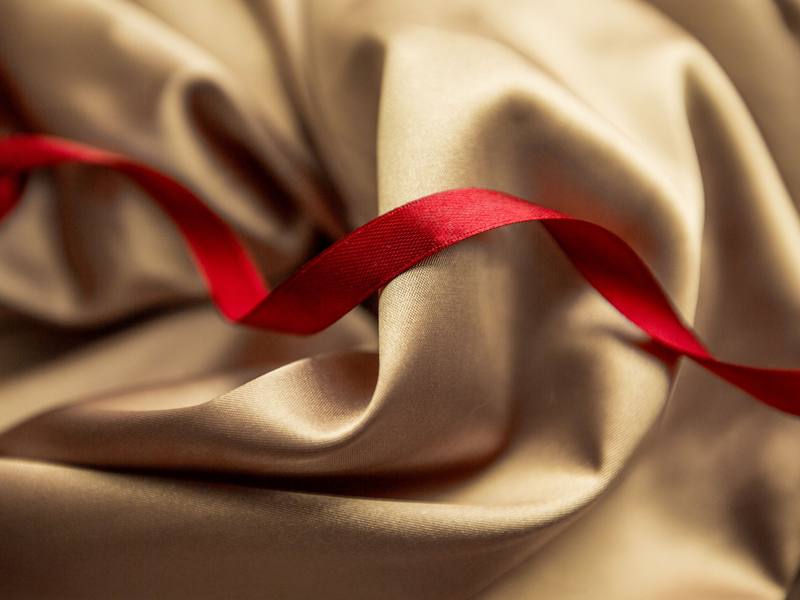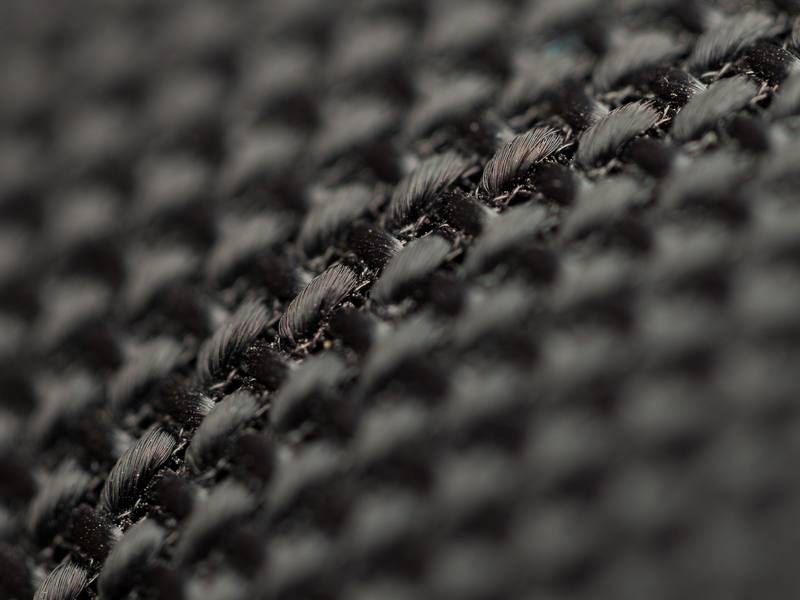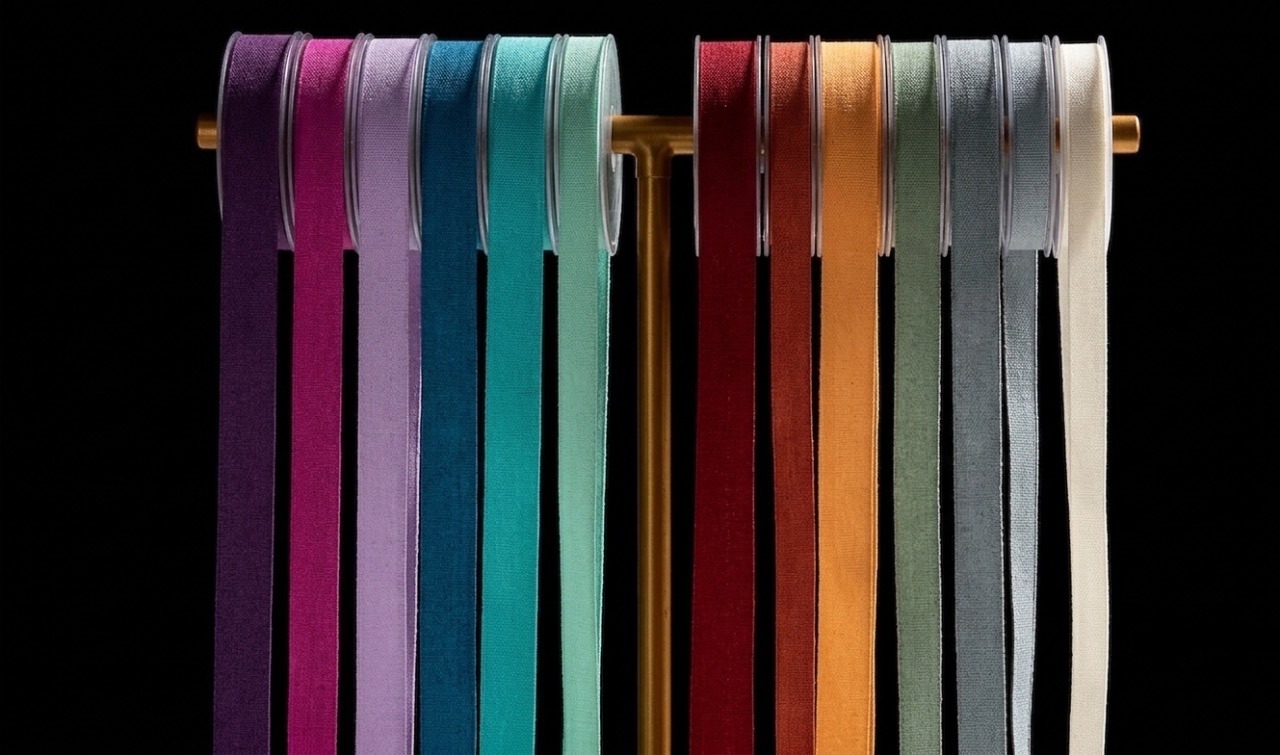

Binding tape is a narrow woven strip sewn around a raw fabric edge. It sounds minor, but it is the clearest tell between careful and rushed manufacture, because an unbound cut edge frays after a few washes or a few months of use.
Job one: hide the raw edge
Woven fabric always frays where it is cut. Overlocking handles most apparel cases, but backpacks, bags and protective gear use thick fabric in several layers where overlocking is not enough. Binding wraps the edge completely and locks every yarn.
Job two: reinforcement
On bags and backpacks the bound edge usually coincides with a load path: the base, the strap join, the mouth of the bag. Binding adds a layer of material and a second row of stitching exactly there, spreading the load instead of leaving one seam to carry it.
So the binding material should match the face fabric. Soft cotton binding on load-bearing nylon will fail before everything around it, and the weakest point sets the life of the whole product.
Job three: the visual line
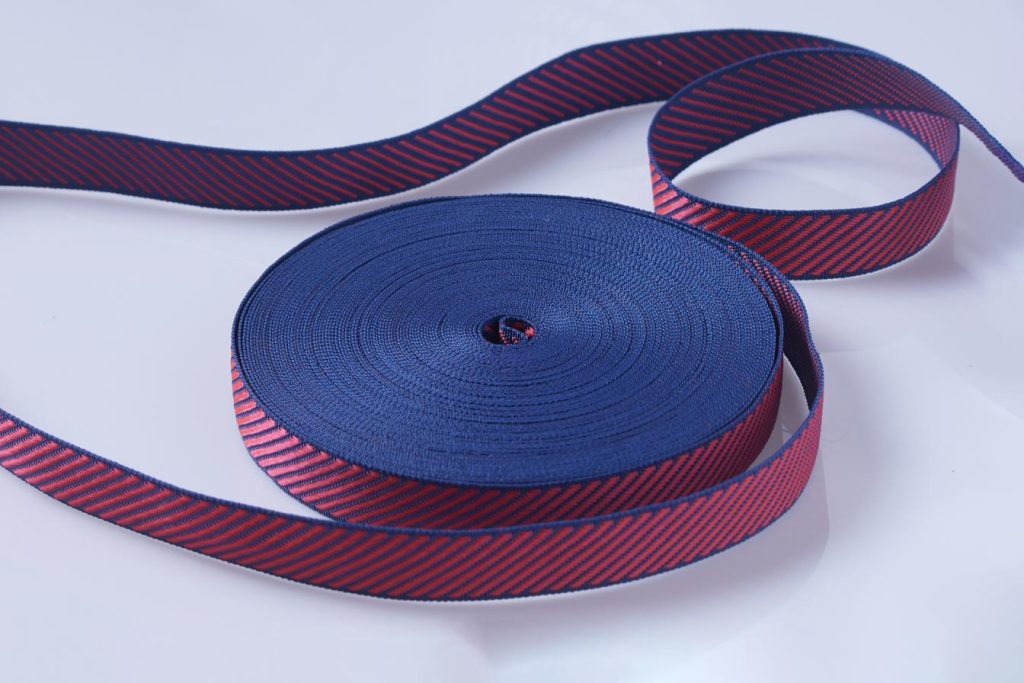
This one is usually undervalued. A contrasting bound edge running along a bag clarifies its shape and makes it look deliberate. Many brands use the binding colour as an identity mark precisely because it sits on the outline, which is what the eye reads first.
Choosing the width
- Narrow: a fine, precise line, suited to apparel and thin edges.
- Medium: the most common choice for everyday bags and backpacks.
- Wide: for thick multi-layer edges, protective gear, or when the binding is meant to read as a block of colour.
A practical rule: the tape must be wide enough to wrap the full stacked thickness of the layers plus the turn-in on both faces. Measure on the real fabric stack before committing, not on paper.
Send the maker a swatch of the face fabric rather than only a tape width. The real edge thickness is what decides it.